
- Inicio
- Simposio MLAEI - 2026
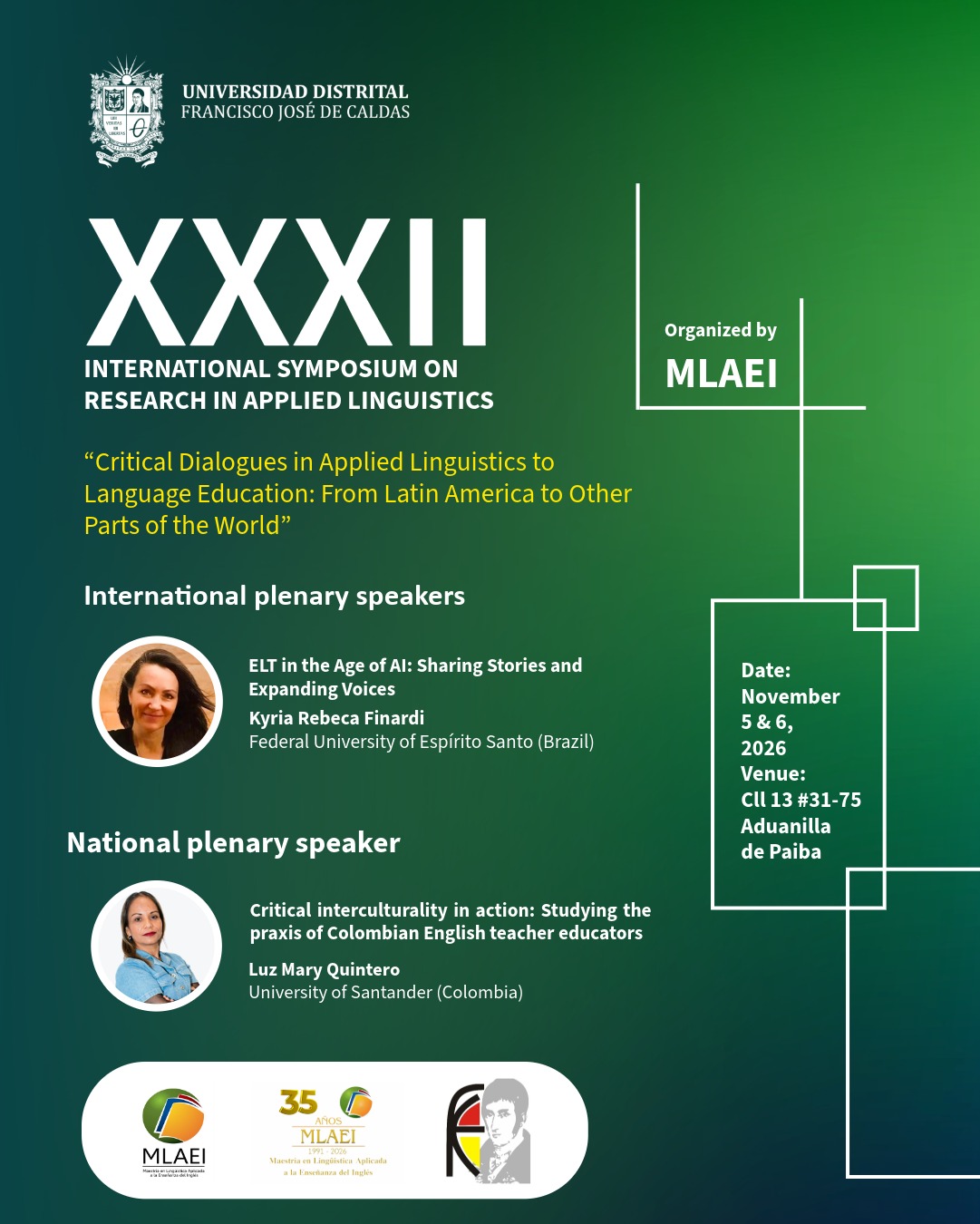
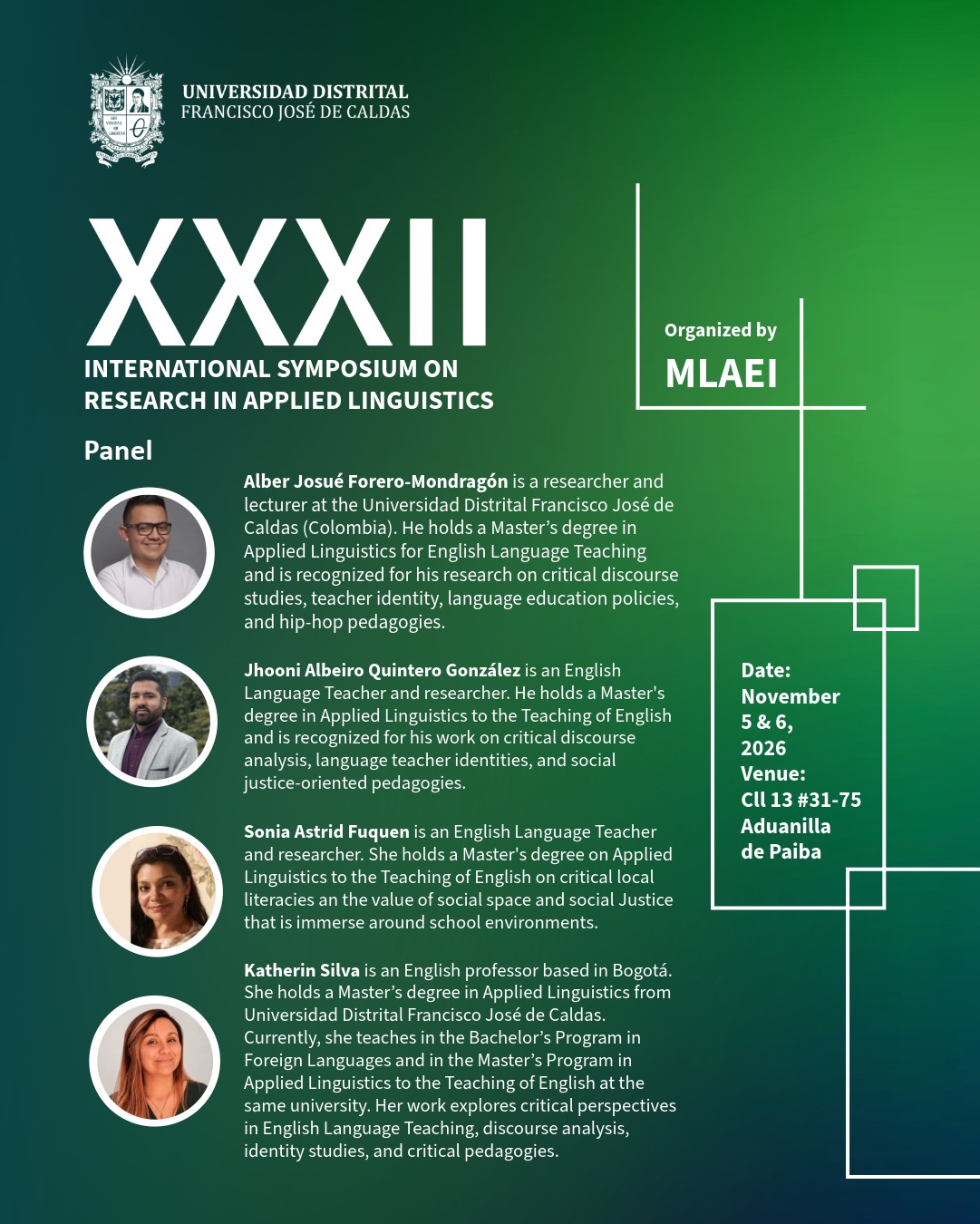
"Critical dialogues in applied linguistics to language education: from Latin America to other parts of the world" {
Call for Proposal
This year’s Symposium theme, “Critical dialogues in applied linguistics to language education: from Latin America to other parts of the world,” invites scholars, teacher educators, practitioner-researchers, and graduate students to engage in transformative conversations that bridge locally situated knowledge with global discussions in language education. It recognizes Latin America as a fertile and agentive locus of enunciation, where critical, decolonial, intercultural, and community-grounded pedagogical praxis actively disrupts historically dominant, Euro-Anglocentric paradigms. By fostering multi-directional perspectives, the Symposium seeks to trace how epistemic and pedagogical insights originating from Latin American realities resonate with, interrogate, and enrich language teaching and learning practices across diverse global landscapes.
Accordingly, engaging in critical dialogues entails questioning traditional core-periphery dynamics in knowledge production and applied linguistics research. It calls for validating situated epistemologies, plurilingual resources, and community-driven literacies that have historically challenged linguistic imperialism, linguistic discrimination, and the commodification of language education. In this vein, the Symposium emphasizes the need to amplify voices, collective experiences, and localized pedagogies that advance social, racial, and epistemic justice—not as isolated contextual efforts, but as vital contributions to re-imagining language teacher education, curriculum design, and educational policy.
Furthermore, framing language education through dialogue across borders requires examining the complex intersections of identity, race, gender, territory, and power within educational spaces. It urges educators and researchers to move beyond static, monolingual, and standardized views of language competence, welcoming translingual practices, local cultural memories, and counter-hegemonic narratives. In doing so, this year's Symposium envisions the construction of collaborative, emancipatory platforms where educators and communities generate shared insights, pedagogical solidarity, and collective resistance against pervasive colonial legacies.
With the above in mind, we encourage proponents to submit presentation proposals (paper presentations, research reports, or interactive workshops) that interrogate dominant discourses, illustrate innovative critical pedagogies, and generate dialogue between local experiences and broader educational contexts. Ultimately, this year’s Symposium aims to reaffirm language education as a site for humanization, epistemic diversity, and critical consciousness, positioning Latin American contributions at the core of ongoing worldwide struggles for educational transformation.
Topics
This year's Symposium's theme is directly connected to the research areas of the MLAEI below. Presentation proposals hopefully address, but are not limited to, those areas and topics:
Literacy Studies and Local Pedagogies for Social Transformation. Reflections around home, community, and local literacies as vital epistemic assets for learning. The integration of multilingual practices, digital literacies, and first languages to counter systemic inequities, such as the marginalization of minority languages in Colombia. Critical and decolonial place-based pedagogies to drive community empowerment and social justice.
Discourse Studies within Educational Contexts. This research examines educational institutions as contested discursive arenas where power, ideology, and policy intersect. It analyses classroom semiotics, gender dynamics, and political discourses to uncover how linguistic identities are socially constructed. Through this critical lens, it illuminates how learners navigate institutional domination to assert authentic voice and agency.
Processes of Teacher Education and Development This line investigates the continuous development of language teachers' identities, beliefs, and lived narratives beyond mere technical training. Through critical reflection and collaborative communities of practice, educators examine their sociopolitical positioning and challenge inherited assumptions. It embeds decolonial frameworks into teacher education to foster transformative, context-responsive classroom praxis.
Racialization and Intersectionality in Language Education This area interrogates the structural intersections of language policy, racial hierarchies, and institutional discrimination in education. Applying an intersectional framework, it investigates how race, ethnicity, gender, and class shape linguistic identities and access. It actively deconstructs Eurocentric biases to build equitable learning spaces that validate racially minoritized learners.
Important dates
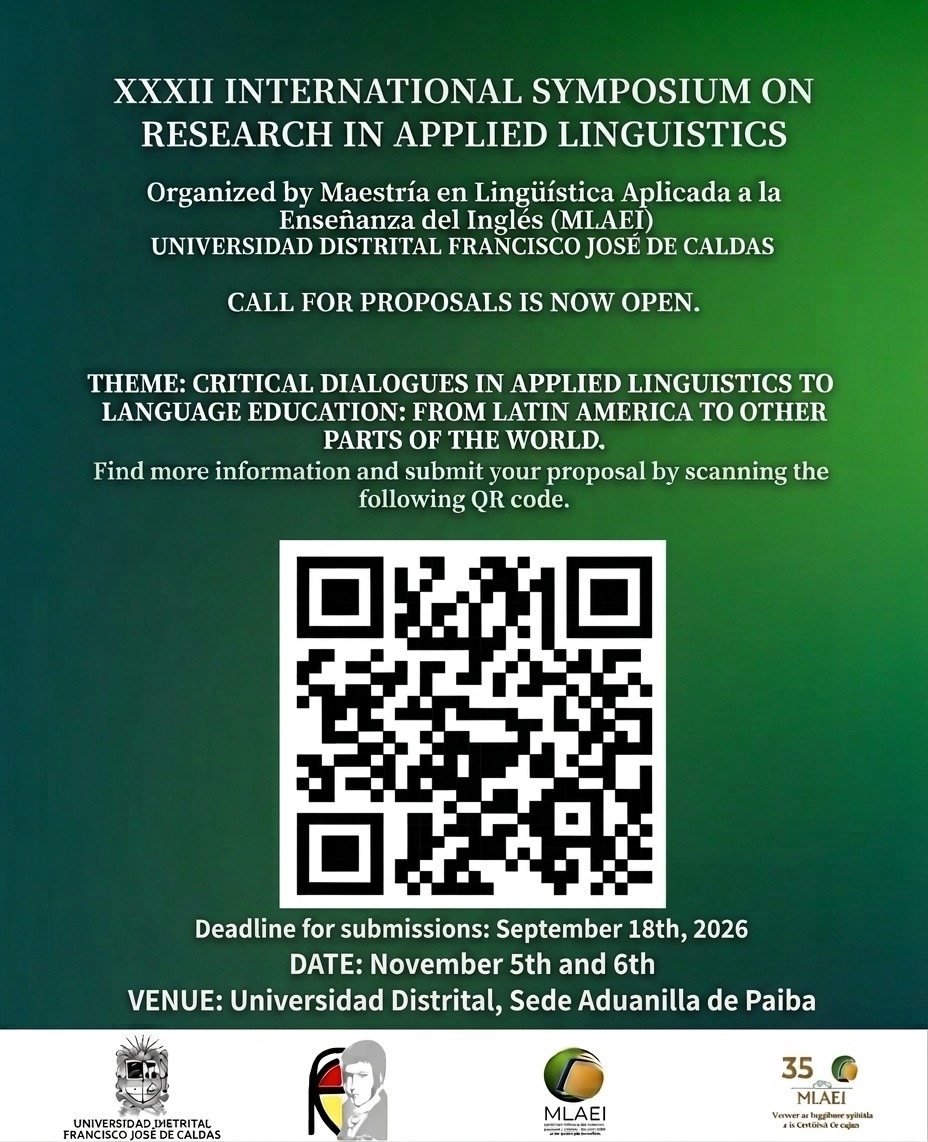
Deadline for submissions: September 18th, 2026
Communication for acceptance: October 2nd, 2026
Date of the event: November 5th and 6th, 2026
Find more information and submit your proposal by scanning the following code:
https://docs.google.com/forms/d/e/1FAIpQLSelBfK2Vb2t61FrPf4L3p61U7_f6e14SJR6TnBCQpwYFEzlRA/viewform